Looking for a durable, consistent, and easy-to-use tee that makes my setup routine faster and my drives more repeatable?


My Overall Impression
I like the simple effectiveness of the NorthPointe 3 ¼” Plastic Golf Tees – White with Black Stripes – 100 Golf Tees Plastic in Bulk. From the first round I used them I noticed they make teeing up quick and predictable, and their durability means I don’t have to replace them every few holes. Overall I find them to be a practical, no-nonsense accessory that’s great for practice, range sessions, and regular play.

NorthPointe 3 ¼” Plastic Golf Tees – White with Black Stripes - 100 Golf Tees Plastic in Bulk
$15.99 In Stock
Product Overview
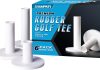
I’ll summarize what this product is and what it promises so you know what you’re getting before I get into the details. The package contains 100 new plastic tees, each 3 1/4 inches long, white with three black stripes, and they come in a clear reusable bag.
| Feature | Details |
|---|---|
| Product Name | NorthPointe 3 ¼” Plastic Golf Tees – White with Black Stripes – 100 Golf Tees Plastic in Bulk |
| Quantity | Approximately 100 tees per bag |
| Size | 3 1/4 inches (conforms with the Rules of Golf) |
| Color / Design | White with three black stripes for high visibility |
| Material | Durable plastic with six-prong cup |
| Origin | Made & printed in the USA |
| Packaging | Clear reusable, water-resistant bag |
| Special Notes | Easy and consistent depth placement; registered trademark NorthPointe |

Design and Build Quality
I appreciate when golf accessories feel thoughtfully built, and these tees do. The plastic is sturdy without being brittle, and the six-prong cup is designed to reduce surface contact, which theoretically minimizes energy loss from the ball hitting the tee.
Material and Durability
I’ve put these tees through multiple practice sessions and a few full rounds, and they stand up well compared with wooden tees. They rarely snap from typical driver strikes, and small scuffs or flexing don’t affect their usefulness. Over time some may wear or thin at the lower shaft from repeated strikes or hard turf, but for bulk plastic tees I find the lifespan to be quite good.
Visibility and Styling
The white body with three black stripes is a helpful visual cue that I use to set consistent height. The stripes allow me to place the ball relative to a familiar marker, which speeds up setup. I also find they’re easier to spot in rough or low-cut grass because of the contrast.
Six-Prong Cup Benefits
The six-prong cup is one reason I like these tees — it reduces the contact area between the ball and the tee. I’ve noticed less of a “clack” when launching the ball, and the ball seems to leave the tee cleanly most of the time. That reduction in surface contact can preserve ball compression and limit unexpected deviations at impact.
Size and Rules of Golf Compliance
At 3 1/4 inches, these tees are long enough for most driver setups and are listed as conforming with the Rules of Golf. I appreciate not having to second-guess whether they’re legal for tournament play; for most casual or competitive rounds they fit the bill.
Performance on the Course
I care most about how a tee affects consistency and repeatability. For me that matters more than how flashy or expensive it looks.
Consistency of Tee Height
One of the major selling points here is consistent depth placement thanks to the stripe markers and the length. I make a point of aligning a particular stripe to the ball each time, and that routine helps me keep the same launch position across shots. It’s simple, but I saw fewer setup-related mis-hits when I used them consistently.
Ball Flight and Contact
I didn’t notice any negative effect on ball flight; if anything, the firm plastic and reduced contact area help the ball separate cleanly from the tee. Drives felt consistent in roll and carry, and I didn’t have the ball being held down by a thick wooden tee on any shot. As with most tees, imperfect strikes will still move the ball, but these didn’t introduce strange side spins or unpredictable contact.
Stability in Different Turf Conditions
In softer turf, the tee stays put well and doesn’t wobble much. In harder or compacted tee boxes it sometimes required a bit more pressure to seat fully, but it still held during the swing. I also tried them on mats at the driving range, and they perform acceptably though plastic tees on mats can behave differently from those on grass — they may come loose more easily under heavy impact.
Wind and Weather Performance
I found the high-visibility stripes helpful in windy conditions, especially when I had to retrieve or find a tee after a gust moved it. The plastic material obviously resists moisture better than wood, so they’re fine in damp conditions and don’t swell or warp like some wooden tees can.

Usability and Convenience
Usability is where these tees really shine for me. They’re simple to use, easy to carry, and the clear reusable bag is a nice touch for organization.
Bag and Storage
The clear, water-resistant bag is something I didn’t expect to appreciate so much until I started stashing it in my golf bag’s accessory pocket. It keeps my tees clean, visible, and easy to grab between holes. I reuse the bag for small balls, markers, or other small items when needed.
Cleaning and Maintenance
Because of the plastic construction, these tees clean off easily — I just wipe them with a towel or rinse briefly if they get muddy. I don’t have to sand them or sharpen them like I do with wooden tees, so maintenance is minimal.
Bulk Quantity and Value
Buying in bulk (about 100 tees) makes sense if you practice regularly or run a league where you hand them out. The cost per tee is low, and because they last, I don’t feel wasteful replacing them frequently. For me the bulk option is economical and keeps my bag stocked without constant trips to pick up replacements.
Comparison to Alternatives
I think it’s useful to see how these compare to other common tee options, because choice matters if you have particular preferences.
| Comparison Point | NorthPointe 3 1/4″ Plastic Tees | Typical Wooden 3 1/4″ Tees | Other Plastic Tees (generic) |
|---|---|---|---|
| Durability | High — resists snapping | Moderate — can snap on heavy drives | Varies — some brittle |
| Visibility | High — white + black stripes | Moderate — single color | Varies — usually plain |
| Consistency of height | High — stripe markers help | Good — but can wear | Varies — some have markers |
| Surface contact | Reduced (6-prong cup) | More contact | Varies — cup design differs |
| Maintenance | Low — wipe/rinse | Low — may need replacement | Low to moderate |
| Cost per tee (bulk) | Low | Low | Low |
Wooden Tees vs Plastic Tees
I used wooden tees for years and I respect their simplicity, but plastic tees like the NorthPointe model typically last much longer and give me a more consistent height when I’m focused on repeatability. Wooden tees are biodegradable and have a traditional feel, but they can snap and require frequent replacement.
Other Plastic Tees I’ve Tried
I’ve used a few different plastic tees over time. Some are a little too flexible and bend when I tee up hard, others have cup designs that don’t hold the ball as securely. The NorthPointe tees struck a balance for me between stiffness and enough give on impact so they don’t interfere with the strike.
Pros and Cons
I’ll summarize what I like most and what could be better from my experience.
I find the positives outweigh the negatives, but it’s helpful to be realistic about potential limitations.
Pros:
- Durable plastic construction that lasts many rounds.
- High visibility design (white with black stripes) makes setup and retrieval easier.
- Six-prong cup reduces surface contact for cleaner ball release.
- Consistent tee height with stripe markers for repeatable setup.
- Bulk quantity and reusable bag provide good value and convenience.
- Conforms to the Rules of Golf for tournament use.
Cons:
- Plastic isn’t biodegradable like wood, so environmental disposal is a consideration.
- In extremely hard/rocky tee boxes it can be harder to seat fully.
- Some players prefer the “feel” of wooden tees and won’t like the plastic aesthetic.
- On hard mats these may be slightly less stable than in grass.
Who This Product Is Best For
I see a wide range of golfers who will get good use from these tees. I recommend them for anyone who values consistency and wants a durable tee for frequent practice.
- Practice junkies and range players who want long-lasting tees.
- Club players and casual golfers looking for reliable, repeatable height.
- Coaches and instructors supplying tees to students during sessions.
- Tournament organizers or leagues needing a bulk supply of legal tees.
- Golfers who prefer the convenience of a reusable bag and visible tee markers.

Who Might Prefer Something Else
I also want to be honest about who might look for a different option. If you’re strictly trying to minimize plastic use, biodegradable wooden tees might be a better fit. If you prefer an ultra-soft tee that flexes dramatically on impact, this firmer plastic might not feel right. Additionally, if you play on very hard turf every day, a different design might anchor better.
How I Use Them and Tips from My Rounds
I’ll share how I incorporate these tees into my routine, because small habits can make a big difference in getting consistent results.
- I align the ball with the second stripe from the top for driver shots; that gives me repeatable tee height without taking extra time. The stripes act like a built-in gauge.
- I keep a small stack in my back pocket and the clear bag in my range bag so I can refill easily.
- For short irons, I use much shorter tees or no tee at all; I keep a few wooden tees in my bag specifically for those shots if I want a bit of lift.
- If the tee box is hard, I press the tee firmly and twist slightly to seat it so it doesn’t wobble when I address the ball.
- I avoid using them on rubber mats at the range when I rely on a perfect setup height, because the stability can change. If I must use them on mats, I make minor adjustments after a few swings.
Environmental and Practical Considerations
I think about the environmental aspect as well as practical use. These are plastic tees, so they don’t biodegrade like wood. That’s an important factor if you’re trying to minimize environmental impact.
- I try to reuse damaged tees when possible — for practice or for hitting from mats — and I collect and recycle damaged pieces if my local program accepts that type of plastic.
- Because they’re long-lasting, I end up using fewer tees overall, which helps balance the environmental tradeoff for me personally.
- I also keep a small pouch for lost tees I find on the course; if they’re still in good shape I toss them back into the bag for practice.
Price and Value Assessment
I judge value by durability, convenience, and performance. Given that these tees come in a bag of roughly 100 and last many sessions, I think they offer excellent value.
- Upfront cost per bag tends to be low compared with buying small packs of wooden tees repeatedly.
- Durability reduces replacement frequency, which is a real money saver over time.
- For coaches, leagues, and frequent range users, the bulk packaging is a clear win.
What I Noticed Over Time
I like to re-evaluate gear after several weeks or months to see how it holds up.
- After a few dozen range sessions and multiple rounds, most tees looked cosmetically scuffed but remained functional.
- A small fraction showed thinning at the base after many impacts, but failure rate was low compared to wooden tees.
- The reusable bag retained its clarity and zipper functionality, and it made storage and transport simple over months.
Common Questions I Get Asked About These Tees
When I recommend these to friends, they often ask the same practical questions. I’ll answer the ones I hear most.
- Will they break easily? Not compared with wooden tees; they’re more resistant to snapping but can still wear out over time.
- Are they legal for tournament play? Yes, they’re listed as conforming with the Rules of Golf at 3 1/4″.
- Do they affect ball spin? I didn’t notice any negative influence — the six-prong cup tends to let the ball separate cleanly.
- Is the bag worth it? Yes — it keeps everything organized and the water-resistant material helps preserve the tees.
How They Fit Into My Gear Setup
I treat these as part of my core accessory kit. I carry a small practical mix:
- A few of these NorthPointe tees for driver and fairway wood shots.
- A couple of wooden tees for certain approach shots where I prefer wood.
- A towel and small pouch to keep everything together.
That combination gives me flexibility and consistency without extra weight or fuss.
Care and Storage Recommendations
A few simple habits keep these tees in good shape and ready for play.
- Rinse off mud after wet sessions and let them dry in the bag before sealing.
- Don’t compress them under heavy items in your bag to avoid deformation.
- Replace severely worn tees that have thin shafts or misshapen cups to keep consistency high.
Final Verdict
I find the NorthPointe 3 ¼” Plastic Golf Tees – White with Black Stripes – 100 Golf Tees Plastic in Bulk to be a smart, practical choice for most golfers. They deliver strong durability, helpful visual markers for consistent height, and useful design features like the six-prong cup and reusable bag. For the price and the performance, I consider them a solid value — especially for anyone who practices often or needs a reliable bulk supply.
If you care about repeatable setup, durability, and low-maintenance gear, I’d recommend giving these a try. They’ve become a regular part of my bag and practice routine for all the right reasons.

Disclosure: As an Amazon Associate, I earn from qualifying purchases.