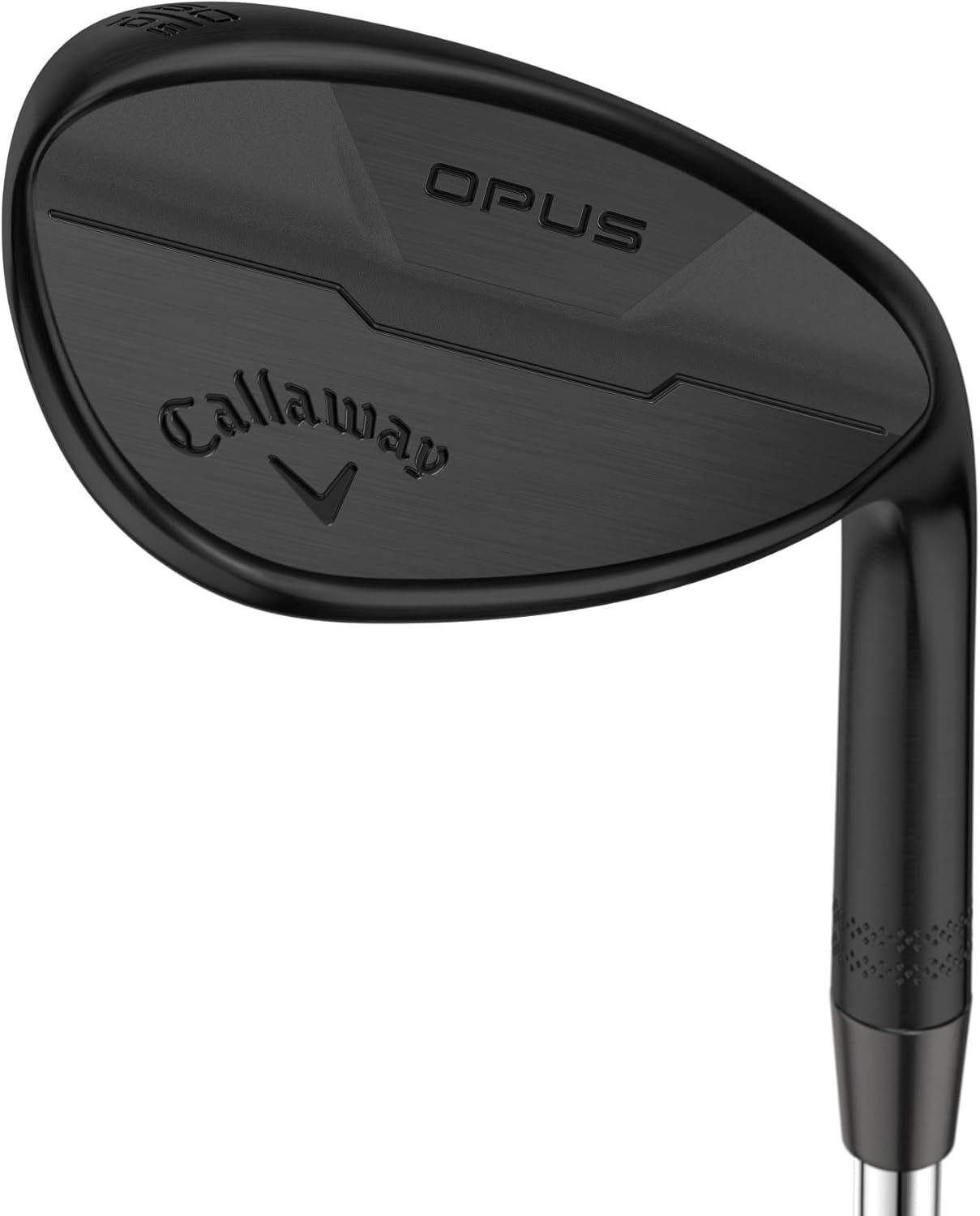
Do you want a wedge that gives you tour-validated shaping, dependable spin, and multiple sole options so you can match your technique?

First impressions and setup
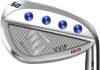
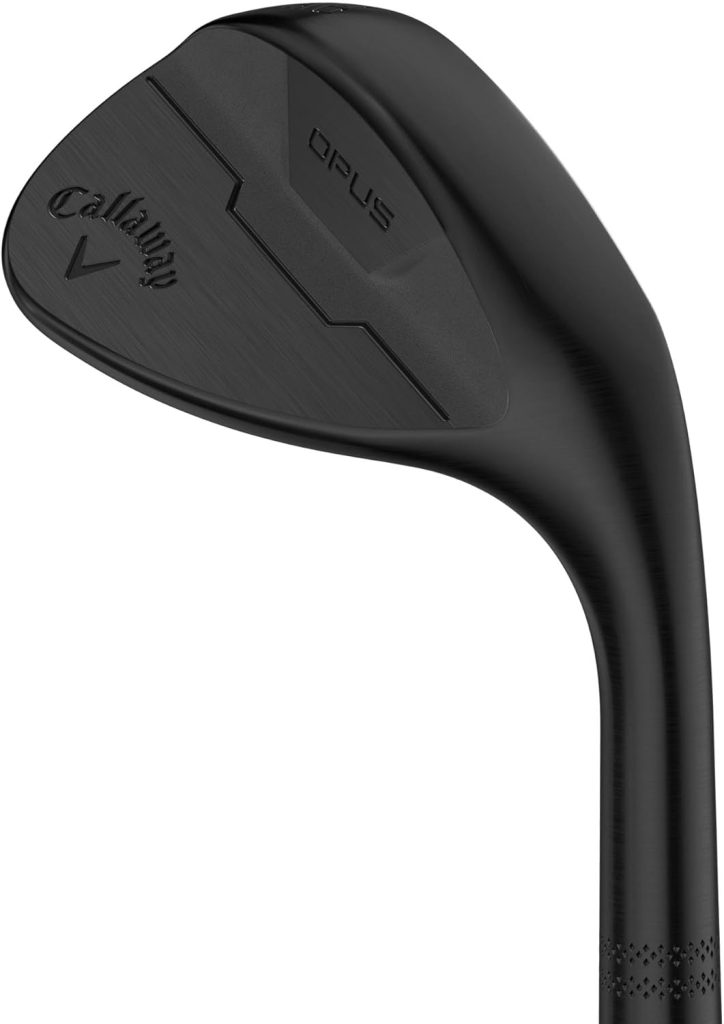
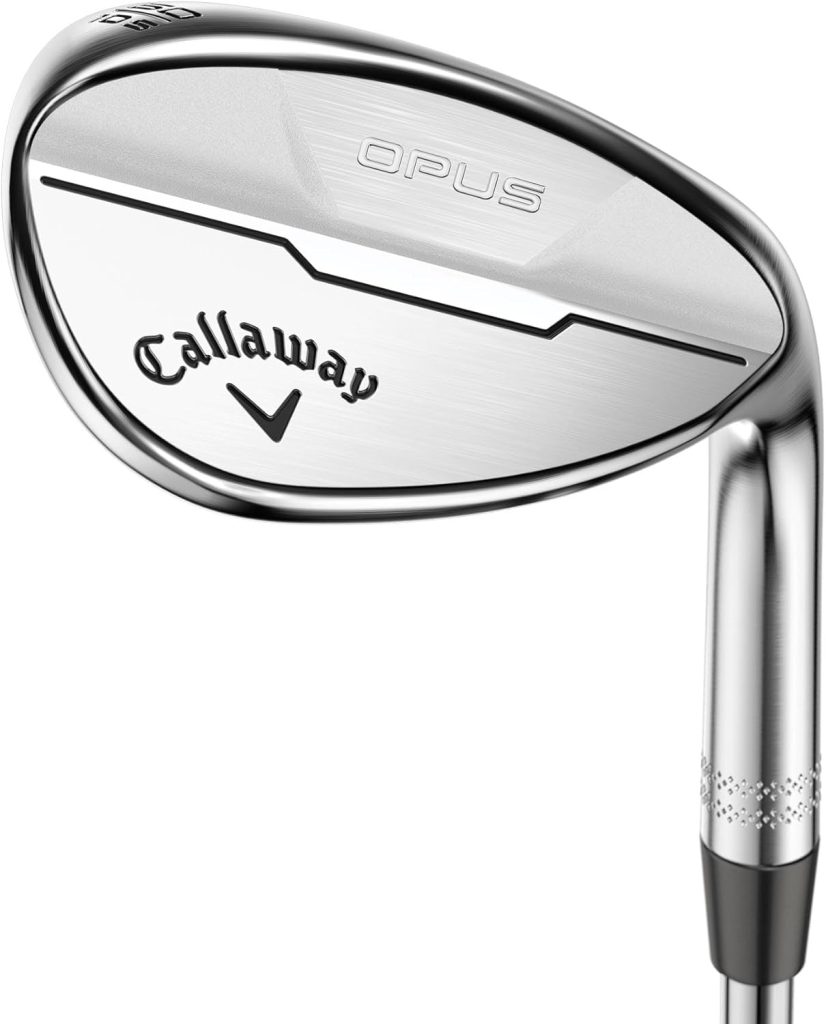
When I first picked up the Callaway Golf Opus Wedge, the balance and shaping stood out immediately. I noticed a higher toe peak and a smoother transition from hosel to head, which made it feel like a modernized classic wedge rather than something overly aggressive in styling.
I set it to my usual loft and stance to test general feel, and it settled into my hands comfortably. The head feels compact at address but not toy-like; it communicates confidence without shouting.
Look and aesthetics
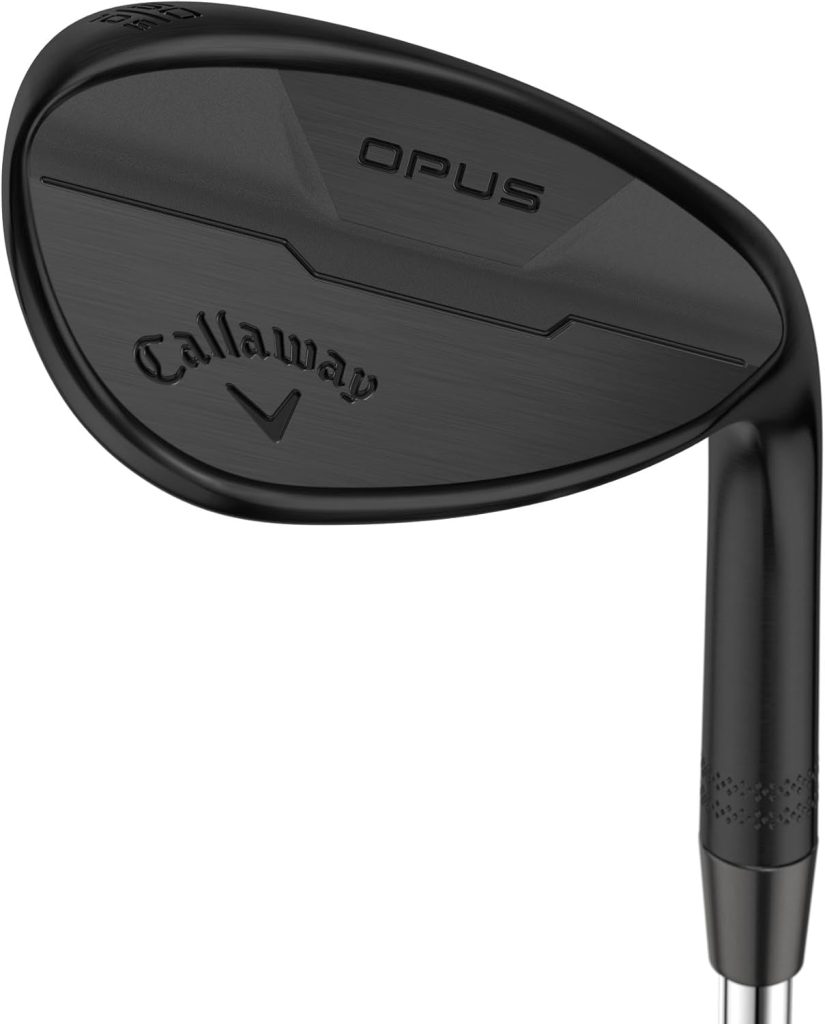
Visually, the head profile is tasteful and understated, with a classic silhouette that will fit players who prefer a traditional look. The higher toe peak is subtle but noticeable, giving the wedge a slightly more rounded, forgiving profile at address.
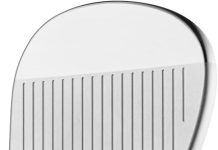
Finishes are clean and the face milling pattern is visible but not distracting. I like that Callaway has kept the design function-first; the aesthetics support performance rather than overshadow it.
Build quality and materials
The Opus Wedge feels solid in the hand. Callaway’s machining is precise and there’s no excess material or flash at the hosel or leading edge. The tolerances feel tight and consistent from head to head.
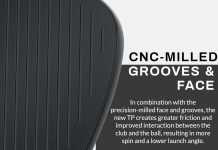
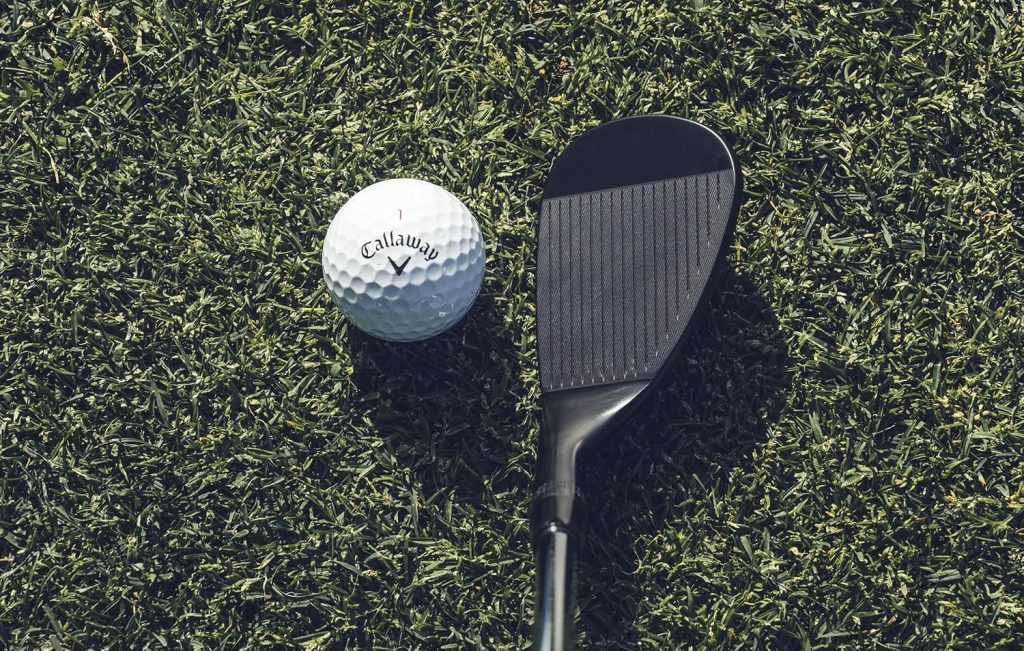
Spin Gen Face Technology is integrated into the face milling, and you can see the face texture designed to boost consistent spin. Overall, the build quality matches what I expect for a premium wedge price point.

Spin and control
Spin is the headline performance metric for any wedge, and the Opus Wedge delivers consistently high spin, especially on full and partial shots. The micro-texture and Spin Gen Face pattern combine to create predictable friction between the ball and clubface.
That predictability translates to confidence when I’m trying to hold a tight pin or when I need bite on a greenside pitch. On wet or damp grass the spin holds up better than many older wedge faces I’ve used.
Spin Gen Face Technology
Spin Gen Face Technology is what Callaway highlights, and in my testing it works as advertised: it produces tour-level spin without making the face feel abrasive. There’s a controlled aggressiveness to the grooves and micro-milling that gives you more spin on clean strikes and less wild variability on less-than-perfect contact.
I found that the technology helps maintain spin consistency across different lofts and grinds, which is important if you mix multiple Opus wedges in the same bag.
Ball flight and stopping power
Ball flight with the Opus tends to be penetrating and direct, which I like because it’s easier to judge carry. The stopping power on greens is very good — I’ve had balls check up quickly on medium-speed greens and bite hard on firmer surfaces when I needed them to.
When I need to fly a ball a little lower, the grind options help me change how the sole interacts with turf and sand so the ball still checks up without ballooning.

Feel and sound
The feel at impact is a balanced combination of softness and feedback. There’s a satisfying dampened thud on solid strikes and enough feedback on misses to let me know what went wrong.
Sound is restrained and professional; it doesn’t spike or ring. I appreciate a wedge that allows me to focus on shot execution rather than being distracted by an overly bright or hollow sound.
Impact feel
On full swings the impact feels dense and controlled, giving a real sense of how much speed I’m imparting on the ball. On half swings and soft pitches the feel is still communicative, which helps me execute delicate shots around the green.
I was able to sense slight variations in strike location, which informed small adjustments in my setup and stroke for better consistency.
Feedback and workability
The Opus is workability-friendly. I can open the face for flops and close it for low runners without the head resisting the change. The feedback when shaping shots is helpful — I feel the face interaction and can repeat shots with reasonable accuracy.
Because the head shape is forgiving and the transitions are smooth, it’s forgiving enough to support creativity without punishing slight technical lapses.
Grinds and fitting
Callaway offers the Opus in a full lineup of sole grinds: S, W, C, and T. I value having options because my technique changes with conditions and course setup, and these grinds let me match the wedge to my swing and the turf I typically play.
Choosing the right grind is crucial to get the turf interaction and bounce that match my style. I tested multiple grinds and found that each has a distinct personality that suits different swings and situations.
S grind — the versatile standard
The S grind is Callaway’s staple, designed to be the adaptable option for a wide range of players. I use it when I want a reliable all-around sole that performs well in most conditions and allows for moderate shot-making.
On tight lies it performs predictably and on softer turf it provides enough forgiveness without digging. It’s the “go-to” for many players who don’t want to specialize with their wedges.
W grind — forgiveness-first
The W grind is wider and designed for players who prefer a more forgiving sole. I appreciated how it helped reduce digging on steep attacks and made bunker shots more forgiving when I didn’t hit the sand perfectly.
If you tend to have a steeper angle of attack or play on softer turf regularly, the W grind gives you added assurance and smoother interaction through sand and thick grass.
C grind — versatile for players who like to manipulate the head
The C grind is for players who want to open the face and play a mix of shots. I use it when I’m anticipating a variety of lies and need the flexibility to open the face without exposing too much sole.
It gives me confidence on partial shots and tight lies with a balanced trade-off between bounce and playability. It’s a great option if you like to manipulate trajectory and spin on different shots.
T grind — Tour-favorite precision
The T grind is the most specialized, aimed at players who want a narrow sole and precise turf interaction. I noticed it’s excellent for players who sweep the ball, because it reduces bounce and allows the leading edge to work closer to the turf.
I found the T grind to be ideal on firmer surfaces and for players who prefer a more compact presentation at address. It rewards consistent technique but is less forgiving on heavy turf.
Grind comparison table
| Grind | Character | Best for | Turf/Conditions |
|---|---|---|---|
| S (Standard) | All-rounder, balanced sole | Players wanting single versatile wedge | Most turf types, general play |
| W (Wide) | Forgiving, larger sole | Steep attackers and softer turf players | Soft turf, bunkers, thicker grass |
| C (Crossover) | Versatile for open-face play | Players who like to open or manipulate face | Mixed conditions, partial shots |
| T (Tour) | Narrow sole, low bounce | Sweepers and firm turf specialists | Firm turf, tight lies, precision shots |
I used this table as a quick reference when deciding which grind to test on different practice days and found it very helpful. It’s a straightforward way to match my swing tendencies to the right sole.
Loft and bounce options
Callaway offers Opus in a range of lofts to cover scoring distances and gapped wedges. While specific bounce numbers vary by loft and grind, the key takeaway is that the line covers everything from lower-lofted gap wedges to high-lofted lob wedges.
I recommend correcting your bounce selection based on your angle of attack and the courses you play: if you’re a steep hitter, prioritize wider-soled W or S options with higher bounce. If you sweep the ball, the T or lower-bounce C grinds are better.
Matching lofts to yardages
When I build a wedge set, I think in terms of 4–6 yard gaps between wedges depending on my consistency. The Opus lineup lets me choose lofts that keep my yardage gaps even while mixing grinds for turf interaction and shot scope.
Having multiple grinds across the lofts allowed me to create a set that matched both carry distances and how the club interacts with the turf during my swings.
Turf interaction and versatility
The way the Opus contacts turf feels very deliberate rather than skittish. Each grind provides a distinct level of bite or forgiveness, and I could feel how the sole transitions through different turf conditions.
This versatility made the wedge practical for walking most courses where turf firmness and grass types change between holes. I didn’t have to swap wedges mid-round as often because the Opus handled a wide variety of lies well.
Performance in the bunker
In bunkers the Opus gives me consistent exit trajectories and predictable spin. The wider W grind was particularly useful when I encountered heavy sand or when I needed to bury the club behind the ball.
The T grind also shone on firmer, shallow sand where the narrower sole allowed me to slide under the ball with minimal resistance. Overall, I felt comfortable taking aggressive bunker swings without second-guessing the sole interaction.
Tight lies and rough
On tight lies, the more compact grinds (S and T) let the leading edge get close to the turf, which helped me execute low runners and tight chips. The W grind is less ideal on rock-hard lies because the wider sole can prevent the leading edge from getting under the ball as cleanly.
In light rough, the Opus still produced consistent spin and stopped reliably when I needed it to. The combination of face tech and grind selection reduced random one-hop releases that sometimes happen with less optimized wedges.
Performance around the green
When I play scoring shots and short-game pitches, the Opus gives me control and repeatability. I found that my touch shots landed where I aimed and checked back with less variance than my older wedges.
The ability to open the face and still have the sole perform predictably made creative shots — partial flop, low check, or bump-and-run — feel like reliable options rather than risky gambles.
Chipping and bump-and-run shots
For bump-and-run shots the Opus is forgiving and easy to control. With a slightly open face the ball runs out predictably, and I felt confident dialing in pace on downhill and sidehill chips.
The S grind produced the kind of turf bite I wanted for controlled roll, while the W granted extra forgiveness on shots where turf interaction was a worry.
Flops and high soft shots
For full-on flop shots, especially on firm greens, the Opus in a C or T grind performed well when I opened the face. The higher toe peak and smoother hosel transitions allowed me to present the face without the sole catching.
I appreciated the extra spin and the ball’s ability to stop quickly on firm surfaces. If you love playing high, soft shots into tucked pins, the Opus can be an excellent tool.
Consistency and repeatability
Across multiple sessions the Opus maintained consistent launch, spin, and feel. I didn’t notice significant variance from shot to shot when I was making the same swing, which is a sign of good manufacturing consistency.
That repeatability is crucial for building trust in a wedge. If the club behaves predictably, I’m more comfortable attempting riskier shots because I understand the odds.
Durability of grooves and face texture
After a decent amount of use, the grooves and micro-milling held up well to normal play. I didn’t see rapid wear or a drop-off in spin characteristics during the testing period, though like any wedge it will eventually need attention or replacement after heavy use.
Regular cleaning and maintenance preserved the face texture and groove bite, and I found that a quick brush before shots in damp conditions helped maintain spin.
Who the Opus Wedge is for
If you’re a player who values tour-validated shaping and wants multiple grind options, the Opus will appeal to you. I recommend it for mid-to-low handicappers and any golfer who likes to dial in their short-game kit with thoughtful sole choices.
Beginners might find the options overwhelming, but if you’re committed to dialing in your wedges, the Opus rewards thoughtful fitting and experimentation.
Ideal player types
I think the Opus suits players who:
- Prefer classic looks with modern performance.
- Like to mix grinds to match their swing and course conditions.
- Want a wedge with consistent spin and good feel.
If you’re someone who rarely changes wedges or who prefers a single highly-forgiving model, there are simpler options, but the Opus still competes well on pure performance.
Comparison to other wedges
Having played several modern wedges, I can say the Opus competes favorably in terms of spin and shaping. Compared to other popular models, I found the Opus to have a slightly more tour-oriented shape and a higher toe peak that some players will prefer.
In terms of feel, it sits alongside other premium wedges with a dense, feedback-rich impact. The breadth of grinds and the precise shaping give it an edge for players who want to customize their short game arsenal.
How it compares to Callaway’s other wedges
Compared to other Callaway wedges I’ve used, the Opus feels like the shape-focused complement to their existing spin and groove technology. It’s more shape-driven and tour-validated than some of their other offerings, which makes it a better match for players who want the exact shaping found on tour.
If you already like Callaway’s feel and spin, the Opus will feel familiar but more refined in terms of shape and sole transitions.
How it compares to competitors
Against leading competitors, the Opus stands up well. The spin characteristics and grind options put it in the same conversation as other premium competitor offerings, but its unique shaping and toe profile give it a distinctive identity.
It may come down to personal preference in head shape and sound, but performance-wise the Opus is competitive.
Price and value
The Opus sits in the premium wedge price range, and I judge value by performance, longevity, and the ability to fit the wedge to my swing. Given its tour-tested shaping and Spin Gen Face Technology, I believe it offers good value for players who take their short game seriously.
If you’re buying multiple wedges, the ability to pick different grinds across lofts is a practical advantage that increases the model’s long-term value.
Fit and buy considerations
I recommend getting fit if possible, especially if you plan to mix grinds and lofts. A proper fitting will help you create consistent yardage gaps and ensure the bounce selections match your attack angle.
If you can’t get a professional fit, use the grind table and think about the turf and sand conditions you play most to guide your choices.
Pros and Cons
I’ll summarize what I liked and what I saw as potential drawbacks in concise terms so you can quickly scan the key points.
Pros:
- Tour-validated shapes with a higher toe peak and smooth transitions.
- Spin Gen Face Technology produces consistent, tour-level spin.
- Multiple grinds (S, W, C, T) cover a wide range of player needs.
- Balanced feel and restrained sound at impact.
- Versatile across bunker, tight lies, and varied turf.
Cons:
- Premium price point may be steep for casual players.
- Multiple grind options can be overwhelming without a fitting.
- Very specialized T grind is less forgiving for inconsistent ball striking.
- Players accustomed to very wide soles might prefer more forgiveness than some Opus grinds provide.
My testing routine and results
I tested the Opus over a variety of sessions: full wedge practice on the range, short-game sessions around the practice green, and on-course play through full rounds in differing conditions. I tried multiple grinds to understand how each performed in typical scenarios I encounter.
What stood out most was the consistency of spin and the playability of the head shapes. I saw very little performance drop-off when moving from practice to pressure situations on the course, which gave me confidence in relying on the Opus for scoring.
What I learned about set composition
When building a wedge set, I favored mixing grinds to match the demands of each loft. For example, I used a higher-bounce W grind in my sand wedge to handle softer lies and a T or S grind in my lob wedge for precision and flare shots.
This approach kept my yardage gaps consistent and allowed the wedges to interact with turf in ways that matched the intended shot shapes.
Final verdict
I recommend the Callaway Golf Opus Wedge to players who want a wedge with tour-validated shaping, reliable spin, and the ability to fine-tune how the sole meets the turf. I appreciated the thoughtfulness in design — from the higher toe peak to the range of grinds — and it translated into solid on-course performance for me.
If you prioritize fit and performance and are willing to invest in premium wedges, the Opus is an excellent choice. It rewards players who take time to match grinds and lofts to their swings and who value consistent feel and spin.
Quick takeaway
If you’re serious about improving your short game and want a wedge that offers multiple ways to customize how it plays, the Callaway Golf Opus Wedge is a strong contender. I found it versatile, consistent, and designed with enough nuance to satisfy demanding players.
Recommendations for buying and fitting
If you decide to buy, I suggest:
- Get fitted if possible, especially to determine bounce and grind choices.
- Consider mixing grinds across lofts to create even yardage gaps and tailored turf interaction.
- Test on a course with the turf types you play most often to see how the sole performs in real conditions.
I found that a short fitting session made a substantial difference in how happy I was with the wedges on the course.
Closing thoughts
The Callaway Golf Opus Wedge delivers a blend of tour-inspired shaping, modern face technology, and smart sole options that make it a versatile tool in my bag. It’s not for someone looking for a single “one-size-fits-all” wedge, but for players willing to think about grind and technique, it rewards that attention with performance and confidence.
If you want a wedge that feels like it was designed to give you control, versatility, and predictable spin, I’d give the Opus serious consideration.

Disclosure: As an Amazon Associate, I earn from qualifying purchases.