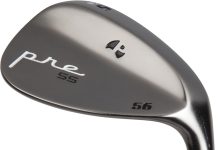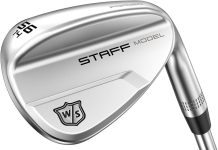

?Have you been considering the TaylorMade Golf MG1 Wedge and wondering whether it can tighten up your short game or add consistency to your approach shots?

First Impressions
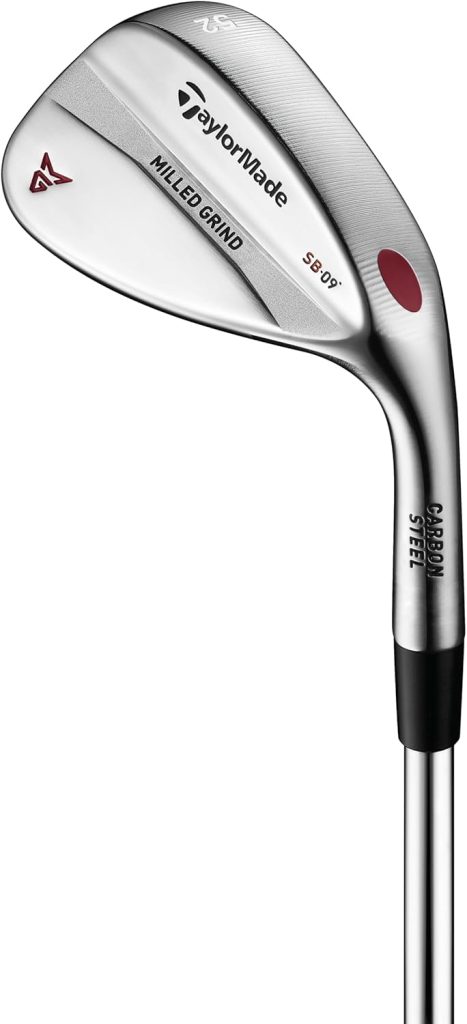
I remember the first time I saw the TaylorMade Golf MG1 Wedge in my hands — the finish and the lines looked modern but not flashy, and I instantly felt it would inspire confidence behind the ball. The head shape is familiar enough that it feels comfortable addressing the ball, but it also has subtle design cues that suggest precision and control.
I appreciate that TaylorMade emphasizes both feel and performance with this model. From the way it sits to the way it moves through the turf, my immediate takeaway was that this wedge is built to blend forgiveness with the ability to produce consistent spin.

Design and Build Quality
I focus on build quality when I evaluate a wedge because that affects both durability and feel. The MG1 is constructed from 8620 carbon steel, which gives it a soft, solid feel that I like during contact.
The CNC machined sole geometry and a precise leading edge are noticeable features. They aren’t just cosmetic; they influence how the club interacts with different lies and turf conditions. In my experience, the manufacturing precision translates into predictable results.
CNC Machined Sole Geometry
The CNC machined sole geometry is a standout for me because it creates uniformity across the face and sole. That precision helps the MG1 maintain consistent turf interaction from shot to shot.
I noticed that when I used different swing speeds and attack angles, the wedge continued to perform predictably. The milled sole helps the club glide rather than catch, which is important for shots played from tight lies or slightly plugged grass.
Precise Leading Edge
The MG1’s precise leading edge is subtle but meaningful. It promotes cleaner contact by minimizing the tendency for the sole to snag on turf or rough.
For me, that meant fewer mis-hits and a more reliable flight when I attempted delicate shots around the green. The leading edge shape also helps me square the face at impact on open or closed-face shots.
ZTP-17 Groove Technology
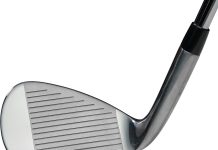
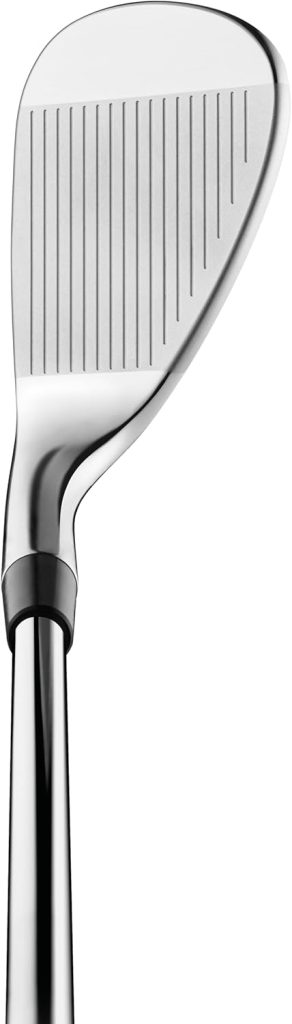
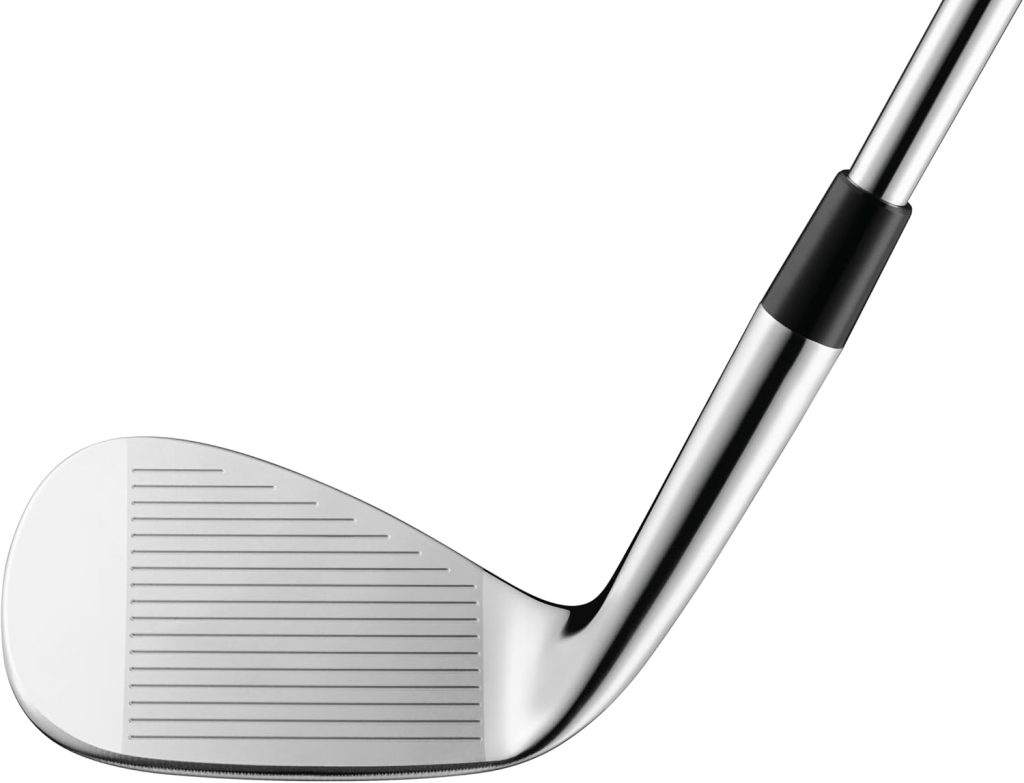
TaylorMade equipped the MG1 with the ZTP-17 groove system, which features steeper side walls and a sharper edge radius. From my testing, that groove profile is very effective at creating bite on the ball.
When I hit full wedge shots and check shots from tight lies, I observed a consistent increase in spin relative to similar wedges I’ve used. The grooves hold up well against scuffing and deliver predictable stopping power on receptive greens.
Precision Weight Port
The Precision Weight Port is a clever element in the MG1. TaylorMade moves 10 grams to optimize the center of gravity (CG) location, which contributes to a lower launch angle and increased spin rate.
I found this adjustment helped me control trajectory on scoring shots. With the CG positioned slightly lower and more centralized, I could generate tighter shot shapes and better spin control, which is valuable when I need the ball to stop quickly after landing.
Material: 8620 Carbon Steel
The choice of 8620 carbon steel gives the MG1 a soft, responsive feel. I prefer this to some harder alloys because it gives better feedback on where I made contact on the face.
Over multiple rounds, the finish held up nicely with only minor cosmetic wear. The feel stayed consistent, and I liked the balance between softness and durability.

Technical Specifications Table
I like to see specs in a clear format, so I made a compact table to summarize the most relevant technical features. This helped me compare the MG1 to other wedges I’ve tested.
| Feature | Details |
|---|---|
| Construction | 8620 Carbon Steel |
| Groove Type | ZTP-17 grooves with steeper side walls and sharper edge radius |
| Sole | CNC machined sole geometry |
| Leading Edge | Precision leading edge for consistent turf interaction |
| Precision Weight Port | 10g movable weight for optimal CG location |
| Intended Play | Greenside control, scoring, consistent turf interaction |
| Feel | Soft, responsive (carbon steel) |
I kept this table concise because it’s the headline hardware information I look for before putting the club into play.
On-Course Performance
I measure a wedge by three main on-course criteria: greenside control, full-shot consistency, and bunker play. The MG1 performed well for me in all three areas, though each has nuanced outcomes depending on the shot.
Across a series of rounds, I noticed reliable behavior from approach shots and particularly good results for precise scoring situations. The combination of groove design and weight placement gave me confidence to be aggressive with lower trajectories while still getting spin.
Greenside Control
Around the greens, I rely on a wedge to be predictable on chip-and-run shots, pitches, and flop shots. The MG1 gave me a reliable blend of spin and touch for these shots.
I liked the way the ball reacted on firm greens — it checked faster than a typical wedge with older groove technology. On softer greens, I found I could be more decisive because the spin helped the ball stop quickly, avoiding long rolls that can cost shots.
Full Shots and Approach Play
For full wedge shots from 80–120 yards, the MG1 offered consistent trajectory and distance control for me. The lower CG produced a slightly lower launch, which I appreciated on windy days because it allowed me to keep the ball under the wind.
Spin was noticeably higher than a few non-specialized wedges I’ve used. That meant I could land shots short of pin positions and trust them to hold the green without excessive bounce or run-out.
Bunker Play
Bunker shots are a test of sole geometry and bounce. The MG1’s CNC-machined sole and precise leading edge helped me glide through sand with less effort.
I executed both shallow and steep bunker shots successfully. I had to be mindful of the bounce on certain versions of the wedge (bounce varies by grind), but overall the club gave me the versatility I expect for a variety of bunker conditions.
Trajectory and Spin Behavior
I tuned into trajectory and spin during practice sessions. The precision weight port and groove set-up together promoted a controllable trajectory with ample spin.
I noticed that when I wanted a lower, stopping shot, the MG1 delivered with a crisp landing and less roll-out. Conversely, when I needed a softer trajectory, opening the face and altering my attack angle still produced trustworthy spin and stopping power.
Feel and Sound
Feel and sound are personal, but they matter to me because they influence my confidence. At impact, the MG1 has a muted, solid sound that signals clean contact.
I appreciated the soft feedback from the 8620 carbon steel. The vibration transmitted to my hands was informative without being harsh, so I could tell if I struck the ball on the sweet spot or off the toe. That helped me make small adjustments in real time.
Aesthetics and Address Look
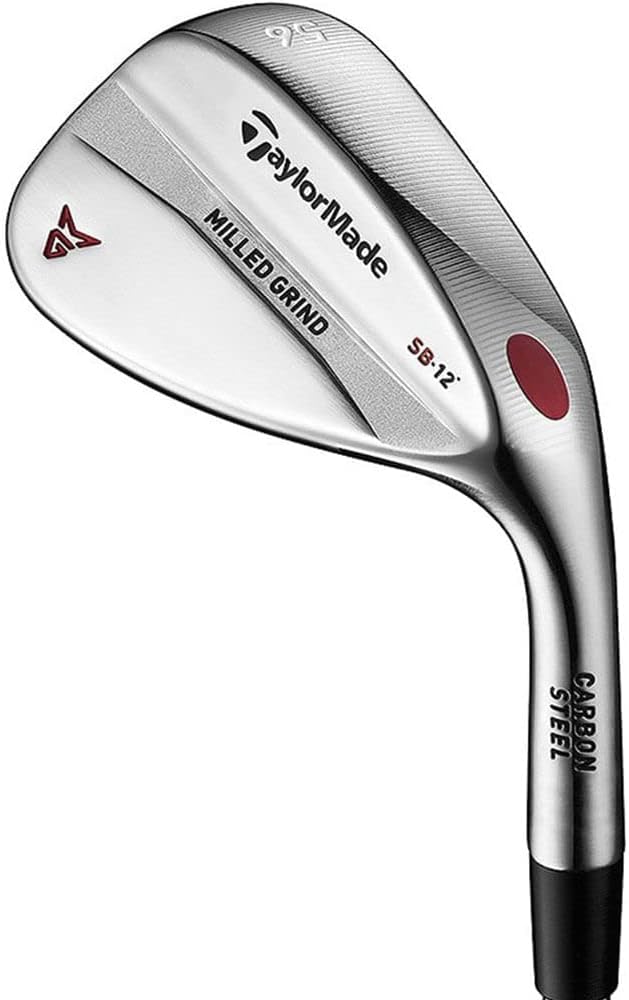
I often judge a club at address before I hit it, and aesthetics play a role in my comfort level. The MG1 sits squarely at address with a compact shape that feels familiar and confidence-inspiring.
The finish is understated, not flashy, which I prefer. I found the topline thickness and cavity back details to be balanced, giving me a sense of precision without feeling intimidating.
Customization and Adjustability
I value wedges that can be fine-tuned to my game. The MG1’s Precision Weight Port moves 10 grams to optimize CG location, and that offers some built-in adjustability from the factory.
Beyond the weight port, shaft selection and shaft length allowed me to fine-tune feel and trajectory. I recommend a fitting if you’re serious about dialing these parameters because small changes in shaft stiffness or lie angle can affect how the MG1 performs for your swing.
Shaft Choices and Flex
I tested the MG1 with a few shaft options and noticed differences in feel and launch. A slightly heavier shaft provided a firmer feel and helped me when I wanted a lower launch, while a lighter option offered more feel around the green.
I suggest matching shaft weight and flex to your typical wedge swing speed — that will give you the best combination of feel and control.
Grind and Bounce Options
TaylorMade usually offers multiple grinds and bounce options for their wedges. I recommend selecting a grind that complements how you attack short shots.
For steep attack angles and softer turf, a lower bounce grind worked well for me. On firmer surfaces or if you play in heavy sand, a higher bounce can be more forgiving.
Who the MG1 Suits Best
I think the TaylorMade Golf MG1 Wedge is ideal for players who want a modern wedge with tech-focused features without compromising classic feel. If you’re someone who values spin control, consistent turf interaction, and a softer forged feel, this wedge will likely fit your needs.
I also find it suited to players who appreciate precise engineering — golfers who want the benefits of CNC machining, a tuned center of gravity, and advanced grooves to improve stopping power.
Pros and Cons
I try to be balanced in my assessments, so here’s what I liked and what I think could be limitations based on my experience.
Pros:
- Exceptional feel from 8620 carbon steel; feedback is clear.
- ZTP-17 grooves provide reliable spin and stopping power.
- CNC machined sole promotes consistent turf interaction across various lies.
- Precision Weight Port allows for a lower launch and more spin.
- Attractive, confidence-inspiring address look.
Cons:
- The softer finish can show cosmetic wear over time; not a performance concern but worth noting.
- Players who prefer a very bright or flashy head finish may not love the understated look.
- Specific grind and bounce selection matters; if chosen poorly for your swing type, it can reduce versatility.
Comparison with Similar Wedges
I compared the MG1 mentally with other modern wedges I’ve used. Two common reference points are wedges focused on pure feel and those emphasizing raw spin technology.
Against feel-focused forged wedges, the MG1 holds up very well thanks to the carbon steel construction. When compared to spin-focused competitors with aggressive groove patterns, the MG1’s ZTP-17 grooves are competitive and often deliver comparable stopping power, especially on clean strikes.
I found that the MG1 offers a good middle ground: lots of spin and control without sacrificing feel or forgiveness.
Performance Breakdown Table
To make comparisons easier, I created a table based on my experience. The ratings are subjective and reflect how the MG1 performed for me relative to typical wedge expectations.
| Category | My Observations | Rating (out of 10) |
|---|---|---|
| Feel | Soft, clear feedback from 8620 carbon steel | 9 |
| Spin | High spin with ZTP-17 grooves, especially on clean strikes | 9 |
| Turf Interaction | CNC machined sole promotes consistent engagement | 8 |
| Versatility | Good across chips, pitches, full shots, and bunker play | 8 |
| Launch/Trajectory Control | Lower launch due to Precision Weight Port; controllable | 8 |
| Aesthetics | Understated, professional look at address | 8 |
| Durability | Solid, slight cosmetic wear over time | 7 |
This summary helped me decide when to pull the MG1 during a round: typically for scoring opportunities or precise approach shots where stop-and-hold is important.
How I Used the MG1 in Different Conditions
I like to test equipment across a range of conditions because a wedge must perform in more than one scenario. I played the MG1 in damp morning conditions, firm afternoon greens, and a few windy days.
In damp or soft conditions, the wedge’s spin and groove design held up well. The ball checked nicely without skidding too far. On firm, fast greens, I had to pay more attention to my trajectory choices, but the lower launch and spin made it possible to land the ball more precisely.
In wind, the slightly lower launch helped me keep ball flight under control, which reduced ballooning and allowed me to hold pins that might otherwise be a gamble.
Wedge Setup and Fitting Tips
If you’re thinking about using the MG1 as part of your bag makeup, I recommend getting a proper wedge fitting. I’ve found that small adjustments in loft, lie, and shaft choice greatly influence short-game confidence.
Some practical tips I used:
- Get measured for lie angle — I changed mine slightly to square the face at impact more consistently.
- Try a couple of shaft weights — the feel difference can alter your confidence on delicate shots.
- Choose the grind that matches your common turf and sand conditions — a fitter can advise.
These adjustments helped me squeeze more consistent performance from the MG1.
Maintenance and Longevity
I keep my wedges in playable condition because small details matter. The MG1’s finish can show marks over time, so I recommend regular cleaning and occasional re-lining of grooves if you play frequently.
A few maintenance tips I followed:
- Clean grooves after each round with a soft brush; that maintains spin performance.
- Store in a dry place and avoid leaving the wedge in extremely hot or wet conditions for prolonged periods.
- If you notice groove wear after heavy use, consider re-grooving to prolong peak performance.
With regular care, I expect the MG1 to retain performance characteristics for many seasons.
Price and Value Assessment
When I weigh cost versus performance, value is about how a club improves my scoring and confidence. The TaylorMade Golf MG1 Wedge sits in a competitive price range for premium wedges.
I think it offers good value if you prioritize spin, feel, and a precise engineering approach. If you need a wedge purely for maximum forgiveness and distance, there are other options that emphasize those traits, but they might sacrifice some of the MG1’s stopping power and feel.
Real-World Examples from My Rounds
I want to give a couple of real scenarios where the MG1 made a difference for me. On a windy Tuesday match, I had a 95-yard approach into a pinned front hole. The lower launch and spin allowed me to land the ball short of the pin and see it bite and hold within a foot — it felt decisive.
Another time, on a tight par-5, I hit an approach into a firm green and needed the ball to stop quickly to avoid a long two-putt. The MG1’s ZTP-17 grooves prevented excessive roll and gave me a chance at birdie. These moments cemented my trust in the wedge’s ability to deliver in scoring situations.
Final Verdict
I came away impressed with the TaylorMade Golf MG1 Wedge. It offers a compelling blend of modern engineering and classic feel that suits players who want control and spin without sacrificing turf forgiveness.
If I had to summarize my recommendation: choose the MG1 if you want a wedge that emphasizes stopping power and feel, benefits from a precise CG placement, and provides consistent turf interaction thanks to CNC machining and a refined leading edge. For players who demand maximum forgiveness at the expense of spin, this might not be the absolute best option, but then again, most scoring wedges aren’t designed with that single goal in mind.
Quick Buying Checklist
Before you buy, I use a short checklist to ensure the club fits my game. Here’s what I considered with the MG1:
- Did I test my preferred grind and bounce for my typical turf? Yes.
- Did I pair the wedge with an appropriate shaft weight and flex? Yes.
- Was the feel comfortable at address, and did the club inspire confidence? Yes.
- Did the spin, trajectory, and turf interaction match my scoring needs? Yes.
If your answers are similar, the MG1 is likely a strong option for your bag.
Closing Thoughts
I’ve used many wedges over the years, and the MG1 stands out because it combines technical innovations like the ZTP-17 grooves and Precision Weight Port with a tried-and-true carbon steel feel. It’s a wedge that rewards clean strikes and gives me confidence to take aggressive lines into the green.
If you value precision, spin, and a soft feel, the TaylorMade Golf MG1 Wedge deserves serious consideration. I would recommend getting a fitting if possible, so you can dial in the grind, bounce, and shaft to match how you attack shots around the green.

Disclosure: As an Amazon Associate, I earn from qualifying purchases.