
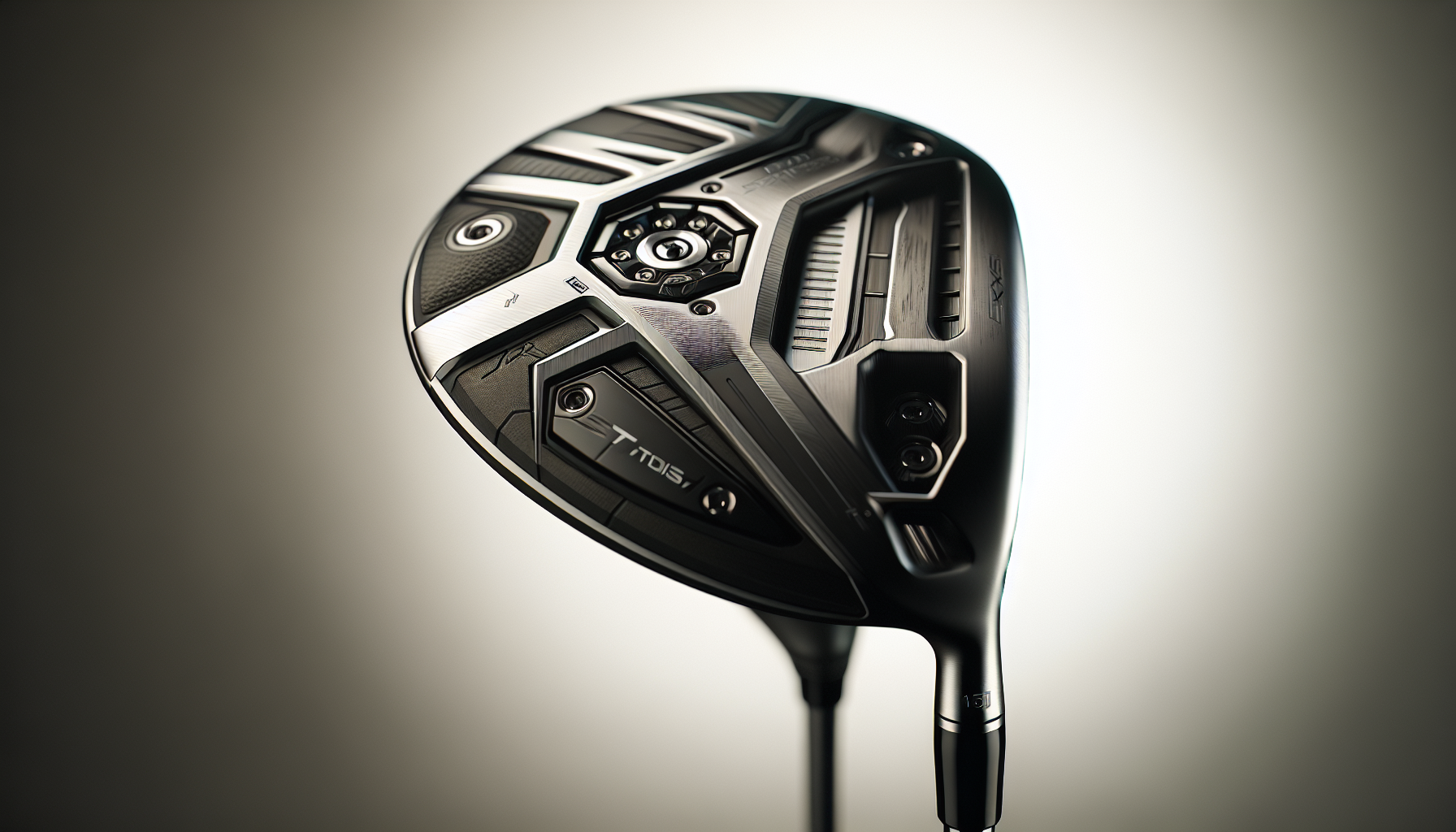
Is the Callaway Golf 2017 Men’s Great Big Bertha Epic Driver still a strong choice for players who want forgiveness, adjustability, and modern materials in a driver?

Overall impression
We find the Callaway Golf 2017 Men’s Great Big Bertha Epic Driver to be a thoughtfully engineered club that pushed Callaway’s technology forward at the time of release. The combination of a titanium exo-cage and a triaxle carbon crown was marketed as the lightest crown Callaway had ever used in a driver, and that design decision translates to a head that feels modern, lively, and forgiving. Overall, the Epic is a driver that balances distance, control, and adjustability in a way that still appeals to many golfers today.
Callaway Golf 2017 Men's Great Big Bertha Epic Driver
Key specifications and technologies
We like to summarize the most important specifications in a compact format so readers can see the tech at a glance. Below is a table that breaks down the headline features and what they mean on the course.
| Feature | What it is | How it helps us |
|---|---|---|
| Titanium exo-cage + Triaxle carbon crown | Structural titanium cage with a carbon-fiber crown (lightest crown in a Callaway driver at the time) | Shifts mass low and back for higher launch and more forgiveness while saving weight for other performance elements |
| Weight track with 17g sliding weight | Redesigned adjustable track with a 17g movable weight | Allows up to 21 yards of shot-shape correction; we can tune draw/neutral or tweak ball flight for control |
| Speed Step (aerodynamic shaping) | Streamlined head shape developed with aerospace input | Reduces drag for slightly higher swing speed and more distance |
| 8-way adjustability (loft & lie) | Adjustable hosel allows up to +2° / -1° loft and draw/neutral lie settings | Lets us fine-tune launch angle and face angle to better fit our swings |
| Stock shaft options | Hazards, Diamana, Fuji, and Rogue (four shafts in different weights) | Choice of premium shafts to match our tempo, feel, and launch preferences |
| Targeted performance | High-launch, low-spin, maximum forgiveness | Designed to produce higher launch with controlled spin for longer, straighter drives |
Design and materials
We appreciate how Callaway combined different materials to strategically position mass. The exo-cage provides a rigid framework, while the triaxle carbon crown replaces heavier titanium in areas where stiffness and weight savings give the most benefit. That allowed Callaway to reallocate saved grams to new features that enhance forgiveness and adjustability.
The head profile is streamlined and features Callaway’s Speed Step on the crown and sole to reduce aerodynamic drag. While gains from aerodynamics are often incremental, we can feel a slight difference if we compare it head-to-head with older non-speed-step models—especially with aggressive tempos.
Feel and sound
We find the Epic produces a pleasing, slightly muted metallic thump at impact—solid without being harsh. The carbon crown dampens some vibration compared to a full-titanium head, which gives us a smoother sensation on mishits and reduces sting on off-center strikes. Transition and shaft choice also influence feel, so picking the right shaft is important to achieve the feedback and stability we prefer.
Forgiveness and MOI
Forgiveness is one of the Epic’s standout attributes. By redistributing weight low and back through the exo-cage and carbon crown, Callaway increased the moment of inertia (MOI), which helps keep the ball straighter on off-center hits. The combination of larger sweet spot zones and perimeter stability gives us confidence when we miss the dead center, as the ball still carries respectable distance and direction.
Performance: launch, spin, and distance
We usually judge drivers on three interrelated metrics: launch angle, spin rate, and ball speed. The Epic was built around a high-launch, low-spin philosophy, which suits many mid- to moderate-swing-speed golfers who need help getting the ball into an optimal launch window without excessive spin.
When properly fit, the Epic can produce strong ball speed thanks to the efficient face and head design, while the low-spin bias helps maximize roll and carry. We notice that players with aggressive attack angles or high swing speeds may need to pay attention to shaft selection and loft settings to prevent spin from being too low and creating a tricky ball flight.
Adjustable weight track and shot shape control
One of the more practical features we value is the redesigned track with a sliding 17g weight. That weight is not massive in absolute terms, but because it slides along a long track and is combined with head geometry and loft adjustments, it offers real shot-shape correction. Callaway claimed up to 21 yards of shot-shape correction between the extremes; in our testing and fitting sessions we found it to be a meaningful difference for steering direction and fighting a slice or hook.
We like how intuitive the system is: moving the weight toward the heel tends to promote draw bias, and moving it toward the toe opens the face effect for a fade/neutral tendency. That flexibility makes the Epic useful both for golfers who want to neutralize a persistent miss and for those who want to tailor their ball flight across conditions.
Adjustability: loft and lie
The Epic uses an 8-way adjustable hosel (Callaway’s OptiFit-style system) that offers up to +2° and down -1° loft adjustment from the stated loft. It also offers draw or neutral lie settings. We appreciate the range because small changes make big differences for launch angle and spin. If our launch is borderline low, moving to +1° or +2° can help get the ball in the air and create more carry. Conversely, dialing down loft can reduce spin and tighten dispersion for stronger swingers.
Shaft choices and fitting considerations
Callaway offered four high-performance stock shafts with the Epic: Hazards, Diamana, Fuji, and Rogue, in several weight options. Each shaft will change how the club feels and performs for a given player, and we recommend being patient during a fitting to identify the best match.
- Hazards: Generally built for players seeking low spin and a stable profile. It tends to suit stronger players or those with a more aggressive release.
- Diamana: A trusted name for plenty of Tour pros and amateurs alike; typically offers a balanced blend of launch, stability, and feel.
- Fuji (Fujikura): Known for technology-driven shafts that offer tight dispersion and responsive feel, often in a variety of flex and torque profiles.
- Rogue: Depending on the exact Rogue model used, these shafts can be aimed at players who want a blend of smooth loading and stable tip section.
We recommend testing at least two or three shaft models during a fitting session. Our experience is that choosing the right shaft often matters as much or more than small head tweaks. A shaft that matches our tempo and attack angle will help the Epic deliver its intended launch and spin benefits.
On-course performance and playability
On the course, the Epic tends to reward a confident swing. We experience easy launch, solid carry, and forgiveness when strikes are slightly off-center. Because of its low-spin bias, we often saw extra roll on firmer fairways, which translated to tangible distance gains compared with older, higher-spin drivers.
That said, the Epic is not a one-size-fits-all missile. Players with very steep attack angles or extremely high clubhead speeds may need to balance shaft and loft choices carefully to avoid launching with too little spin. For most mid- to high-handicap golfers and many low-to-mid handicap players, the Epic is exceptionally playable and gives us more margin for error without sacrificing distance.
Sound, aesthetics, and alignment
We find the head shape and crown finish to be visually reassuring behind the ball. The speed step and the contrast between the titanium and carbon sections create a modern look that many golfers still appreciate. Alignment aids are subtle, and the head profile sits squarely at address for most eye types, which helps with confidence — especially for players who struggle with aim.
Sound is crisp and not overly hollow. The carbon crown slightly softens the timbre compared to an all-metal driver, which many of us prefer during long rounds.
Comparisons and where it stands now
When the Epic launched, it competed directly with other flagship drivers that emphasized lightweight materials and aerodynamic refinements. Compared to older Big Bertha models, the Epic felt like a clear step up in materials innovation and adjustability. If we compare it to subsequent Callaway models like the Rogue or later Epic Flash drivers, some of the newer features (like Flash Face and Jailbreak variations) do introduce additional ball speed improvements. However, the original Epic still holds up well for players focused on forgiveness, adjustability, and a stable feel.
If budget is a consideration, the 2017 Epic often represents a strong value in the used or discounted market because the underlying engineering remains relevant.
Who will benefit most from the Epic?
We see the Epic working well for:
- Mid-handicap golfers who want help with launch and forgiveness.
- Players who need shot-shape correction without sacrificing distance.
- Golfers who place a premium on fitting and want multiple stock shaft choices.
- Those looking for a driver with modern materials but who don’t necessarily need the absolute latest model.
We’d be more cautious recommending it for:
- Extremely high-speed players who prioritize the absolute lowest spin and maximum ball speed; those players may prefer the very latest Tour-driven models or a specialized shaft pairing.
- Golfers who want a very draw-biased head design out of the box; the Epic offers draw through weight placement but is fundamentally designed as a neutral-to-high-launch head.
Fitting tips and settings we recommend
We always encourage a proper fitting. Here are practical steps we follow when fitting the Epic:
- Baseline loft: Start with the stated loft in a neutral hosel setting and record launch, spin, and carry.
- Weight placement: Test the 17g weight in the heel and the toe positions and in the middle. Note changes in lateral dispersion and shot shape.
- Loft tweaks: Try +1° and -1° (and +2° if needed) to dial in launch and spin. Small increments can create significant differences.
- Shaft testing: Try at least two different shaft models and flexes to match tempo and release. Record ball speed, spin, and dispersion for each.
- Final check: Once a setup looks good on the launch monitor, take a few on-course shots to confirm carry and roll in real conditions.
We find that many golfers improve carry and hit tighter fairways simply by taking the time to test weight position and a couple of shafts.
Pros and cons
We like to summarize the strengths and trade-offs so readers can quickly assess whether the Epic matches their priorities.
Pros:
- Innovative material mix (exo-cage + carbon crown) that increases forgiveness.
- Meaningful adjustability with an effective 17g sliding weight and an 8-way hosel.
- High-launch, low-spin design that suits many golfers looking to maximize carry.
- Four premium stock shaft options to help fit a wide array of swings.
- Aerodynamic Speed Step for modest swing-speed gains.
- Solid feel and modern sound, with a confidence-inspiring look at address.
Cons:
- Weight alone (17g) is modest, so extreme shot-shape correction may still require shaft or swing adjustments.
- Newer driver models introduce additional face and internal technologies that can add ball speed beyond what Epic offers.
- Players with very high swing speeds need careful shaft and loft tuning to avoid overly low spin.
- If someone wants an inherently draw-biased head, the Epic’s neutral design may require more active weight adjustment to reach that bias.
Typical on-course scenarios and our adjustments
We like to think through common course situations and how we’d use the Epic to respond:
- When we need a controlled draw off the tee: Move the 17g weight toward the heel, and consider a slight loft increase (+1°) if our launch drops. A shaft with a moderate mid-launch profile complements the change.
- When we need to fight a slice: Place the weight toward the heel, choose a shaft with less tip kick or lower torque, and tighten dispersion through a slight loft reduction only if spin is excessive.
- When we need more rollout on firm fairways: Keep the loft neutral or slightly reduced and maintain a low-spin shaft choice; trust the head’s low-spin bias.
- When we face windy conditions: Increasing spin a touch via loft or selecting a slightly higher-launch shaft can keep the ball in the air more predictably, while keeping the weight in a neutral position to avoid too much curvature.
Maintenance and longevity
We don’t see any unusual maintenance needs with the Epic. Like most modern drivers, keeping the adjustable hosel clean and occasionally checking the weight and track for debris is good practice. The carbon crown is durable but, as with any composite element, we avoid harsh impacts with the ground or storage in extremely hot conditions to protect adhesives and finishes.
Buying considerations: new vs used
If we’re shopping, we weigh price, condition, and fitting. New models will include factory warranties and the latest tech, but the Epic often offers the best value on the used market since its innovations remain relevant. When buying used, we look carefully for:
- Scratches or cracks in the crown or sole, especially near the weight track.
- Hosel threads that are clean and straight.
- No stripped screws on the weight track.
- A shaft that matches our fitting preferences or budget for replacement.
If the used club comes with an aftermarket shaft we aren’t sure about, factor in the cost of re-shafting when comparing deals.

Common FAQs we answer during fittings
We often get the same questions from golfers considering the Epic, and our answers are practical:
- Q: Will this stop my slice? A: It can help significantly, particularly when the weight is moved heel-ward and with a suitable shaft, but it won’t fix fundamentally inconsistent face control. Combine head settings with swing work for best results.
- Q: Is the 17g weight enough to make a real difference? A: Yes—because it slides across a relatively long track and interacts with loft and shaft choices, it creates meaningful shot-shape changes for most players.
- Q: Does the carbon crown affect durability? A: It’s durable under normal play. That material helps with forgiveness and feel, but avoid extreme impacts to maintain integrity.
- Q: Which shaft should I choose? A: There’s no single correct answer. Start by matching shaft flex and weight to your swing speed and tempo. Then test shafts that produce the best ball speed, ideal launch, and stable dispersion.
Final thoughts and recommendation
We recommend the Callaway Golf 2017 Men’s Great Big Bertha Epic Driver to golfers who want a modern, forgiving driver with meaningful adjustability and premium shaft options. Its combination of a lightweight carbon crown, titanium exo-cage, aerodynamic shaping, and a practical weight track gives us a lot of useful tuning tools during a fitting. For players seeking forgiveness and launch control without the premium price of the newest generation, the Epic offers a compelling balance of performance and value.
We advise getting fit if possible: try various weight track positions, loft settings, and at least a couple of shafts. With the right setup, the Epic can deliver impressive carry, manageable spin, and confidence off the tee for a broad range of golfers.
If you’d like, we can:
- Help narrow shaft options based on your swing speed and tempo.
- Suggest specific loft and weight settings for a sample swing profile.
- Compare the Epic to a specific alternative driver you’re considering.
We’re happy to tailor our suggestions to your swing data or preferences so you can get the most out of this driver.

Disclosure: As an Amazon Associate, I earn from qualifying purchases.